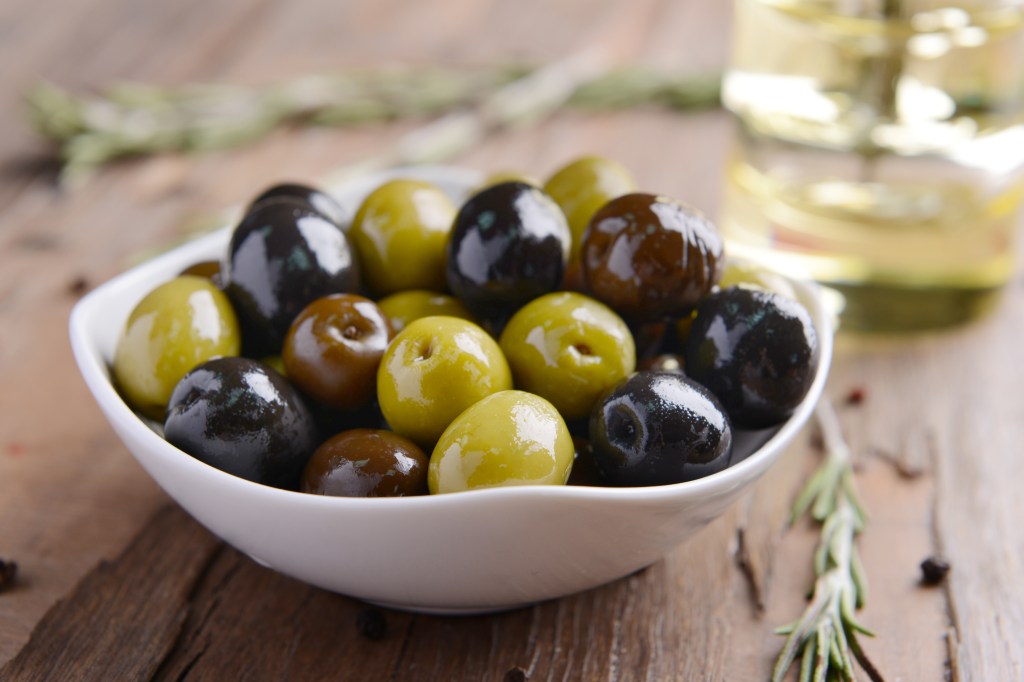
• Different marinated olives on table close-up

    Cooking at Home After Being Out of Town

    Being out of town for a couple of weeks can rust your gears regarding cooking and routine. The science of cooking mostly resides in the constant knowledge of what there is and isn’t in and about the fridge.

    Mastering the art of home cooking is not about surfing the waves of aisles and shelves with a clear goal. My motto: if I have to buy more than one or two things for that special plate, I won’t do it.

    The exponential number of combinations you can make with just a handful of ingredients can feed a family for a year without repeating a meal a month.

    Recipe Overview

    This recipe takes no more than 10 minutes of prep and is my favorite fresh antipasto for vermouth hour or a frugal lunch after the gym. A single bite of this Mediterranean marvel soothes both the heat and the crushing sense of non-existence.

    Ingredients

    • 2 ripe Roma tomatoes
    • A handful of olives (preferably black)
    • 150 grams of cheese of choice (preferably hard, but mozzarella works too)
    • Oregano
    • Olive oil
    • Lemon
    • 1 can of tuna
    • *Optional:* balsamic (just a few drops if you use it)

    Preparation

    Dice your tomatoes, cut your olives in half, and cube your cheese. Mix everything thoroughly in a bowl with a pinch of salt and lemon (or balsamic). Let it sit for a few minutes to allow the tomatoes and olives to release their juices. Season with oregano (fresh if possible).

    Plating and Serving

    Plate everything flat on a plate and top with boquerones, tuna, or any fish you fancy. Drizzle with olive oil and finish with a bit more oregano. Enjoy with fresh baguette and a glass of vermouth and soda. Thank me later!

    Final Thoughts

    What other simple recipes can you think of that have this complexity and depth of flavor in under 10 minutes?

  • Why Is Béchamel Essential?

    In our last recipe, I encountered a problem mid-writing. I realized that the original and best way to prepare it would need the blessing of one of the culinary world’s most incredible inventions: a béchamel sauce.

    The béchamel sauce is one of the four mother sauces of French gastronomy and maybe the only one worth using in home cooking. This sauce not only brings us the possibility of a savoury base for thick sauces and incredible fillings, but it also embodies a formula that can be used to thicken any liquid medium, giving us the perfect tool to make hearty soups and gravies.

    The formula in question is Roux + Liquid = Love.

    Important Notes for Success

    • The roux and the liquid need to be opposite in temperature: if your liquid is boiling, your roux needs to be cold, and vice versa.
    • There are three types of roux: white, blonde, and brown. We will use them according to the final preparation we want to achieve.
    • For a good béchamel sauce, I infuse my milk (bring to a boil from scratch) with half an onion, some cloves, and a bay leaf. This is optional.
    • The thickness of the sauce depends on the percentage of roux correlated with the liquid. 20% is used for a thick result (for fillings) and 10% is my go-to for a creamy sauce or soup.

    Basic 10% Béchamel Sauce

    Prep Time: 0 minutes
    Cooking Time: 10 minutes max

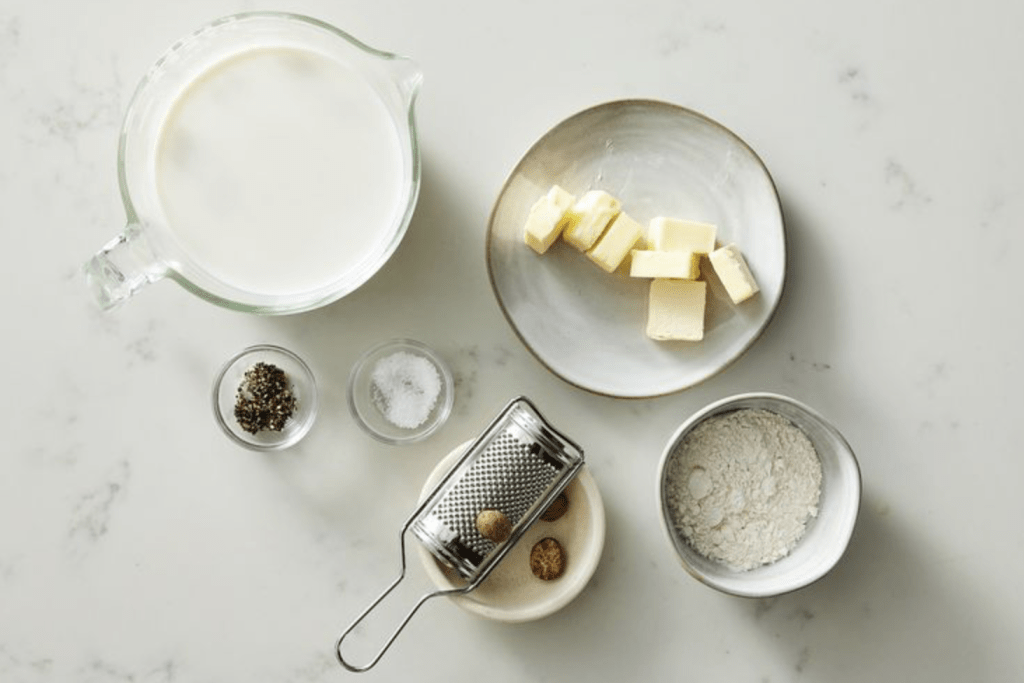
    Ingredients

    • 50 grams of butter
    • 50 grams of flour
    • 1 litre of milk
    • Salt and nutmeg

    Cooking Instructions

    1. Grab a saucepan and get everything ready around it.
    2. Put the butter in a pan and let it melt over medium heat. Once melted, add your flour and incorporate it with a whisk. This is your roux; keep it white for this preparation.
    3. As soon as it’s thoroughly mixed, start pouring your milk in small amounts, whisking constantly to prevent clumps. Repeat until all the milk is incorporated.
    4. Salt and add nutmeg to taste.
    5. Let it come to a boil on low heat. Once it breaks the boil, it’s ready.
    6. To preserve, keep plastic wrap in contact with the preparation.

    Footnote

    Everything in this sauce can be replaced with a vegan version easily found in American stores. Even though it is chemically possible, I do not recommend using vegetable oil or cornstarch for this preparation; that would be heresy.

    Once you master the roux technique and fully understand its concept, you can use it for soups, sauces, and gravies, replacing the milk with any other liquid medium such as stock, broths, or juices.

    Final Thoughts

    Now tell me, have you ever made a béchamel sauce or used a roux in any other preparation?

  • Argentine Tradition and the 29th of the Month

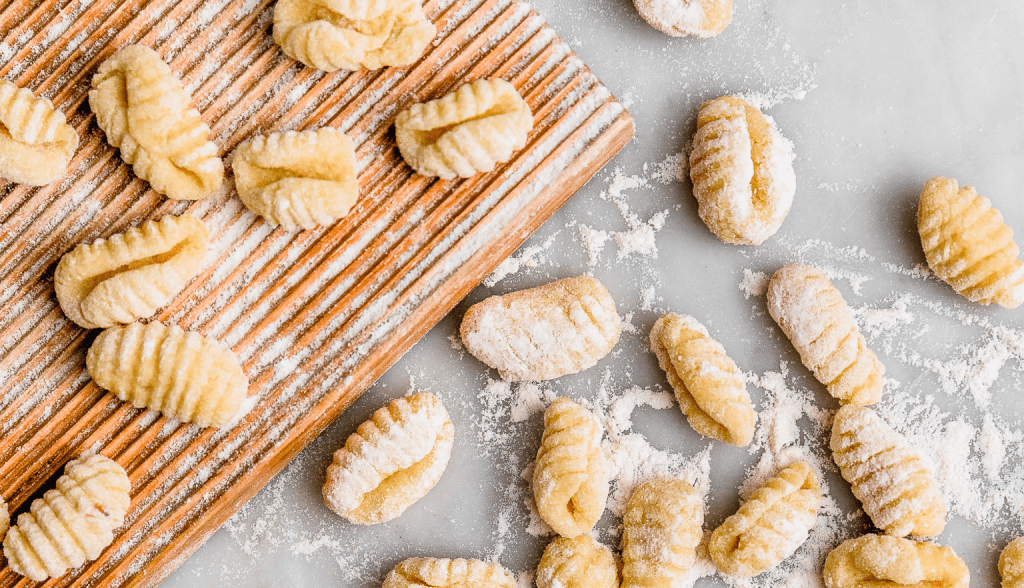
    Argentina has a tradition of eating gnocchi or ñoquis every 29th of the month. You prepare some ñoquis or buy it from a fresh pasta shop—and prepare them with pomodoro or four cheese cream. But always put a folded bill under the plate. That will ensure prosperous economic success and growth. I am unsure where that tradition came from, and I won’t research it now.

    In my family, there was always an utter disrespect for common traditions—I had my first mate at 16—but we did eat ñoquis, although not on the 29th. They were usually pumpkin. My mother thought it was the potato that made them unhealthy, not the pound of butter or the bleached flour.

    Today’s Simple Gnocchi Recipe

    We are going to crawl slowly into the world of pasta with this more than simple recipe that you can either freeze or eat right away with a good sauce; why not the pomodoro one, or make it pink with some cream.

    These are classic potato ñoquis but this recipe should work with any starchy vegetable (squash, pumpkin, sweet potato, etc.). Keep in mind that ñoquis can be made out of anything, but some require a different prep called souffle or -bomba bomba- we’ll get to that some other time.

    Prep Time and Cooking Time

    Prep time: 30 minutes
    Cooking time: 15 minutes

    Ingredients

    For the Ñoquis:
    • ½ a kilo of potatoes (1 pound)
    • 150 grams of flour (around 1 and ¼ cups)
    • 1 egg yolk (optional)
    • Salt and pepper
    For the Sauce:
    • 1 cup cremini mushrooms
    • 100 grams fresh ham (or bacon)
    • 1 chicken breast
    • 1 onion
    • 1 clove garlic
    • White wine
    • Chicken stock (optional)
    • Heavy cream
    • Parmesan cheese
    • Salt, pepper, and nutmeg

    Preparation

    The Ñoqui: Cut the potatoes in half and bake them covered in tin foil until soft enough to mash (around an hour). Mash the potatoes without the skin. Add salt, pepper, yolk, and flour and work it together with your hands. Do not knead. Roll the dough into little tubes and cut into pieces. Sprinkle with flour and place on a tray.

    The Sauce: Cut chicken and ham into thin strips, dice onion, slice garlic and mushrooms, and grate parmesan.

    Cooking Instructions

    The Sauce: In a pan with butter or olive oil, sear the chicken and retrieve it. Add ham, onion, mushrooms, letting them sweat in low heat. Add salt, pepper, nutmeg, and garlic, then add chicken back. Deglaze with wine, add stock and simmer 10 minutes. Finish with heavy cream and parmesan.

    The Ñoquis: Boil water in a large pot, salt generously. Cook gnocchi until they float, about 2 minutes. Retrieve and mix with the sauce. Serve in a deep plate.

    Tips

    • Freeze gnocchi wide apart before putting them together in a smaller container.
    • Do not leave gnocchi in boiling sauce too long to avoid overcooking.

    Final Thoughts

    This is an Italian recipe with a classic French sauce written and performed by an Argentine. It could be the best thing you’ll ever try or just another form of heresy.

    Tell me, what sauces would you use for this ñoqui recipe? Do you find this very elaborate?

  • Why White Fish Can Be Tricky

    We are going to cut straight to the chase with this one. White fish is not the easiest thing to try to put into a picky eater’s mouth. Even some of the most omnivorous people on this planet freeze when thinking about what fish they will be cooking to add omega-3 to their diets. Salmon is usually the go-to, not to say always. We are going to change this. There are various reasons that make me uncomfortable with buying farm-raised salmon (the only one you get in most places in this world, not even mentioning my home country).

    In Argentina, to get wild salmon you need to take matters into your on hands, pack your best rod and buy a ticket to Alaska. That’s why I got used to going with white fish for dinner. Merluza is the most common down there; here we can do cod, branzino, sea bass, just about anything white. Swordfish is a very forgiving one, although it is too fibrous.

    Let’s address the elephant in the room. White fish is usually tasteless. I am not going to get all pretentious here and start talking about tanginess, texture, resistance, and whatnot. Most of the white fish, if you don’t know how to prepare them, are god’s way of showing us that eating animals is not always that interesting. But with a good marinade, sauce, or broth, all this changes. Here is where I come in.

    Recipe: Sicilian White Fish

    Prep Time: 15 Minutes
    Cooking Time: About 30 Minutes

    Ingredients

    • 4 filets of white fish (I’d recommend Cod or Branzino – Nothing too soft)
    • A bunch of olives (If they are black, better)
    • A bunch of capers
    • 2 anchovies’ filets (optional but no less important)
    • Garlic (to taste, but use a lot please)
    • Half an onion
    • Two cups of that red sauce that we made the other day or good tomato puree
    • Red wine (use the cheapest one)
    • Salt, Pepper, and Red chilli flakes

    Preparation

    Slice your garlic thinly like in Goodfellas. Dice your onion. Roughly chop your olives and capers. If you want to clean your fish, remove the skin. If you’d rather have the skin, we are going to brown that bad boy.

    Cooking Instructions

    1. Browning the Skin (optional): Put your fish in a hot pan coated with sizzling olive oil with the skin facing down. Leave it there just enough to get brown and crispy, but not long enough to burn it. Retrieve it when done.
    2. Infusing the Oil: Add more olive oil in the same pan with the heat low. Add the garlic and anchovies and slowly watch them heat up and become best friends. If you burn the garlic, start again.
    3. Cooking the Base: Add the onion, capers, and olives. Let them sizzle and brown, but keep the heat low. Pour in some red wine and scrape the bottom. Add the sauce and red chilli. Wait before adding too much salt.
    4. Adding the Fish: Let the base simmer for 10 minutes. Add your fish: if skin-on, place it skin-up, uncovered, not touching the sauce, and cook for another 10 minutes. If skinless, dunk it in the sauce and cook covered for 10–15 minutes.

    Serving Suggestions

    There it is, Sicilian white fish. I usually serve it with rice, but you can do other things. What would you serve it with?

  • Prep Time: 20 min
    Cook Time: 35 min
    Makes: 16–20, depending on your level of honesty

    Why Meatballs Never Really Landed in Buenos Aires

    I constantly think to myself what is the difference between a NJ Italian-American family like the ones in the movies and the Buenos Aires culture, with more than 80 percent of Sicilian and Lombardian heritage? The answer is right there, and it is not the language; it’s the meatballs. We just don’t do them, or rarely. It must be the respect we have for the beef. Every type of food got down from the ship in a way that shifted through the years, adapting itself to the local ways, commercially and culinary. In Argentina, we have a type of filled pasta called “Sorrentinos” that I could never find in Sorrento; and I dare any of you to try and find meatballs around Italy, its not as easy as The Godfather made it look. I am positive that the best meatballs are probably found in Fairfield, NJ. But we’ll give them a go.

    Ingredients

    • 1 lb ground beef (or half beef, half pork if you want to go kind of vegan)
    • 1 egg
    • 1 small onion, grated
    • 2 cloves garlic, finely chopped
    • 2 tablespoons grated Parmesan (not Parmiggiano)
    • Salt and freshly cracked black pepper
    • A splash of milk (just trust me)
    • Olive oil, for browning
    • 2 cups of your homemade pomodoro sauce

    Instructions

    1. Mix the Mix.
      In a large bowl, throw in the beef, egg, onion, garlic, parsley, parmesan, salt, pepper, and a splash of milk. Mix it with your hands.
    2. Form into balls.
      Somewhere between ping-pong and golf ball size. Make them equal-ish.
    3. Brown, don’t cook.
      Heat some olive oil in a pan and give your meatballs a little tan on all sides. You’re not cooking them through, just sealing.
    4. Simmer in pomodoro.
      Pour in your pomodoro sauce (hopefully homemade — you’ve read the rant), bring it to a gentle bubble, and lower the heat. Let them simmer, half-covered, for about 25–30 minutes. Turn them occasionally. They like attention.
    5. Serve as you wish.
      Over spaghetti like a cartoon stereotype, tucked into a toasty sub roll with melted provolone like Joey from Friends, or on a plate with absolutely no context or ties to mother Italy.

    Final Thoughts

    What other things do you consider we have changed on this side of the Atlantic Ocean?

  • A Memory That Still Haunts Me

    I have a vivid memory that lives in my mind rent-free and still haunts me to this day. It was my first trip with the school. Might’ve been 4th grade. We went for 2 nights to Rosario to play rugby against another school. It is common in rugby to share a far from exquisite meal with your rivals. The ritual is called “third half”. It is usually burgers or pizza, this time it was tomato spaghetti.

    I call it tomato and not pomodoro or marinara for a reason. I still have the image engrained into my head of those poor little spaghetti floating around in a reddish liquid environment that refused to stick with them. When I tried to pick some with my fork, they looked up at me, as unsauced as they were born, before they slid back to the mess they called home, only to splash that goo all over my uniform, causing me not only discomfort but the latter recrimination of my mother.

    Why Canned or Jarred Sauce Isn’t the Same

    If you are one of those people who think opening a tomato puree can equals making a sauce, let me tell you, I am here to help, but not with utterly judging you first.

    “But Marcos, I usually buy the jarred sauce that comes already cooked. It tastes the same!” That is the other side of the coin. It is wrong. I don’t care if it says its organic, freshly squeezed, harvested in the fields of the ancient Roman Empire. It is just bad. Anything that comes in a can is rarely as good as what you can freshly make.

    I am not re-inventing the wheel here. Health aside -that is not my topic- preservatives, emulsifiers, hydrogenated fats, unholy replacement for spices are just some of the ways to ruin something as simple as a pomodoro sauce. Tuco, Marinara, Filetto, call it what you want, just make a big badge of it and freeze it or, if you are feeling a little reckless, use it right away.

    Homemade Tomato Sauce Recipe

    Prep time: as much as 10 minutes
    Cooking time: 40 minutes

    Ingredients

    • 2 pounds of good Roma Tomatoes (if you are going to use canned ones buy San Marzano)
    • 1 large onion
    • 4 big cloves of garlic
    • Fresh Herbs (hopefully basil and oregano, although bay leaves and thyme is also acceptable)
    • Olive Oil
    • White wine

    Preparation

    Roughly chop the tomato, the onion, and the garlic. (Size honestly does not matter that much cause we are going to blend it at the end).
    Tie your herbs together in a bouquet garni so you can comfortably retrieve them later.

    Cooking

    1. Sautee your onions with abundant olive oil until they start to brown (do not go crazy on the heat).
    2. Add your garlic and your tomato. Salt it generously.
    3. Splash a good amount of the white wine and wait for it to evaporate.
    4. Add your bouquet garni and half a cup of cold water.
    5. Bring it to a boil and turn the heat to low. Let it simmer for at least 30 minutes.
    6. (My grandmother said that a pinch of sugar would help cut the acidity out and even though she was not a cook, she was indeed a grandmother so maybe I would trust her).
    7. If you don’t want to use refined sugar cause of a documentary you saw, you can also use a bit of honey, or maybe nothing.
    8. Whenever you think is time, blend it all and use it for any preparation you fancy. Or freeze it or just drink it I don’t know that’s completely up to you.
    Why You’ll Never Go Back

    Believe me, once you’ve done this and tried out the difference for yourself, you are going to want to sue Rao’s.

    What Would You Cook With This Base Sauce?